Close die forging
Close die forging is a forging method that uses dies to shape a blank into a forging on specialized die forging equipment.
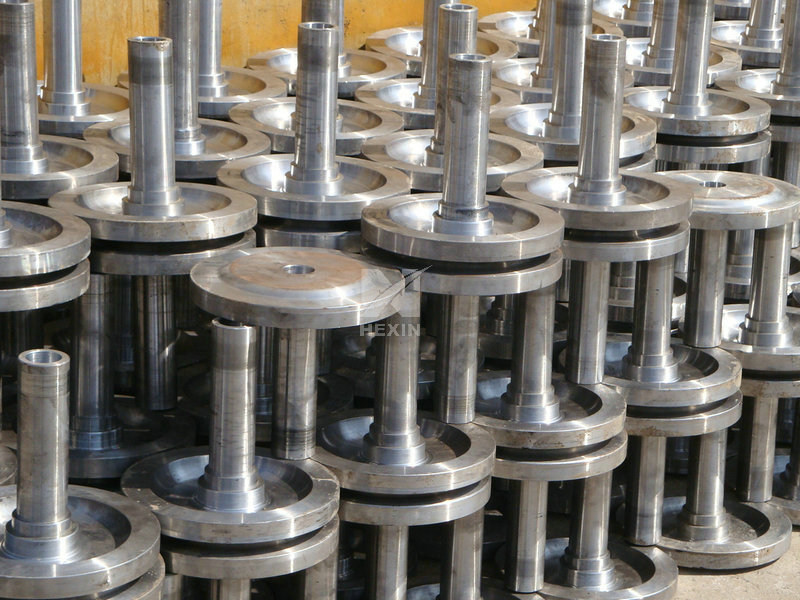
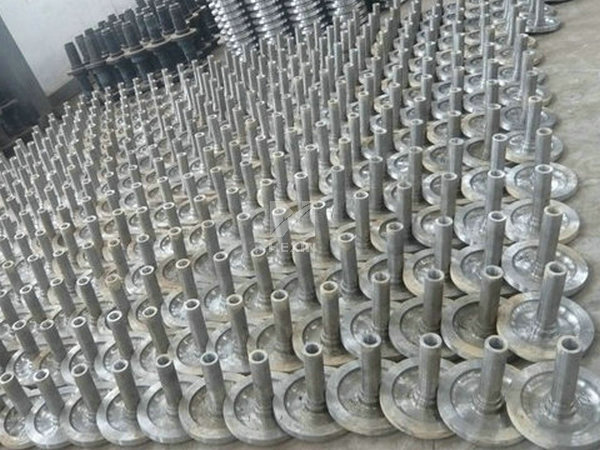
HEXIN uses this method to produce forgings with precise dimensions, small machining allowances, and relatively complex structures, resulting in high productivity.
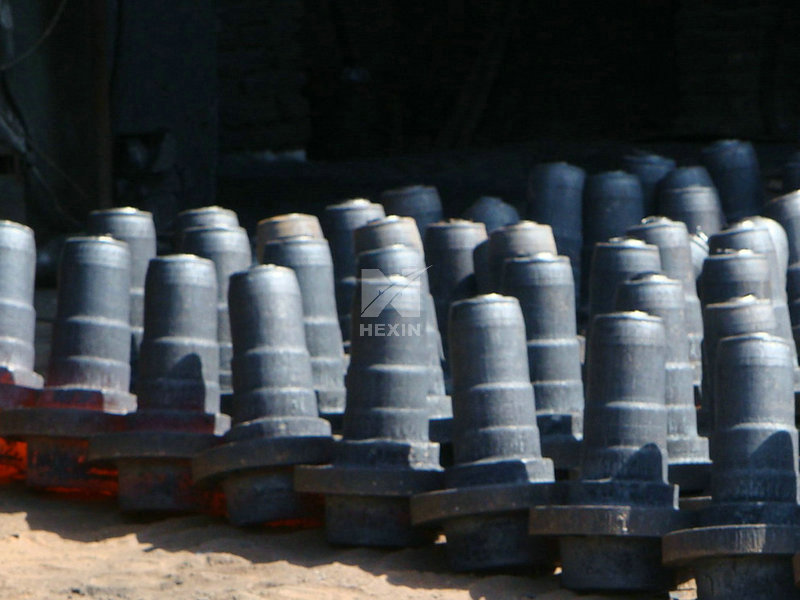
The general procedure of close die forging is as follows: billet blanking; billet heating; roll forging preparation; die forging; trimming; punching; straightening; intermediate inspection to check the dimensions and surface defects of the forging; heat treatment of the forging to eliminate forging stress and improve the metal's machinability; cleaning, mainly to remove surface oxide scale; straightening; and inspection.
Forged parts are generally to be visual and hardness checked by HEXIN, as well as chemical composition analysis, mechanical property testing, residual stress testing, and non-destructive testing.
The forging ratio is selected after considering of factors such as the chemical composition of the steel, the stress conditions of the part under working conditions, and the size of the steel ingot used.
Generally, alloy structural steel ingots have more severe casting defects than carbon structural steel ingots, which requires a larger forging ratio.