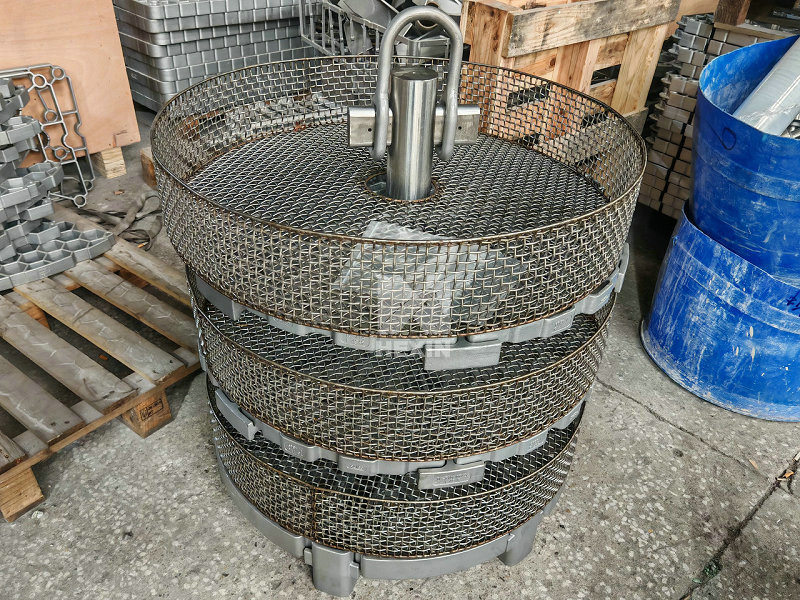
The differences between cast steel and cast iron
Product Category:Industry NewsPrice:Negotiation

The differences between cast steel and cast iron
Huixin has many years of casting experience and focuses on the research and customization of castings made of materials such as heat-resistant steel, stainless steel, and cast iron. The company can undertake the production and processing of various casting products and can provide customers with stable and reliable casting solutions.
The main difference in chemical composition between cast iron and cast steel lies in the content of carbon and other alloy elements.
Cast iron is an iron alloy containing 2% to 4% carbon. So what is cast steel?
Cast steel is a steel alloy with a lower carbon content, typically containing 0.2% to 1.5% carbon, and other alloy elements such as chromium, nickel, molybdenum, and titanium.
Depending on the different element contents and compositions, cast steel can be classified into the following types:
1. Carbon steel: Carbon steel is a type of cast steel with a higher carbon content, typically containing 0.2% to 1.2% carbon.
Carbon steel is usually used to manufacture mechanical parts, tools, and other parts that require high strength and wear resistance.
2. Alloy steel: Alloy steel is a type of cast steel containing alloy elements such as chromium, nickel, molybdenum, and titanium.
Alloy steel usually has higher strength, hardness, and corrosion resistance, and is typically used to manufacture aircraft engine components, automotive parts, and other parts that require high strength and corrosion resistance.
3. Stainless steel: Stainless steel is a type of cast steel containing chromium, nickel, and other alloy elements, with good corrosion resistance and high-temperature strength.
Stainless steel is usually used to manufacture chemical equipment, food processing equipment, and other parts that require high corrosion resistance.
4. High-temperature alloy steel: High-temperature alloy steel is a type of cast steel containing chromium, molybdenum, tungsten, and other alloy elements, with good high-temperature strength and corrosion resistance.
High-temperature alloy steel is typically used to manufacture aircraft engine components, gas turbine components, and other parts that require high-temperature strength and corrosion resistance.